Twenty Years of Family: How Sanctuary of Hope Is Growing
There is a particular kind of hope that grows slowly.
Not the sudden, dramatic hope of a rescue, though there have been plenty of those, but the quiet, stubborn hope that shows up every day. The hope that sets another place at the table. That learns a child’s favorite food. That stays through the hard years and the breakthroughs and the ordinary Tuesdays that turn out to matter just as much as either.
For twenty years, that’s the kind of hope Mama and Pastor Karau have been practicing through the Hope’s Promise Orphan Care program in Kenya.
How Sanctuary of Hope Began
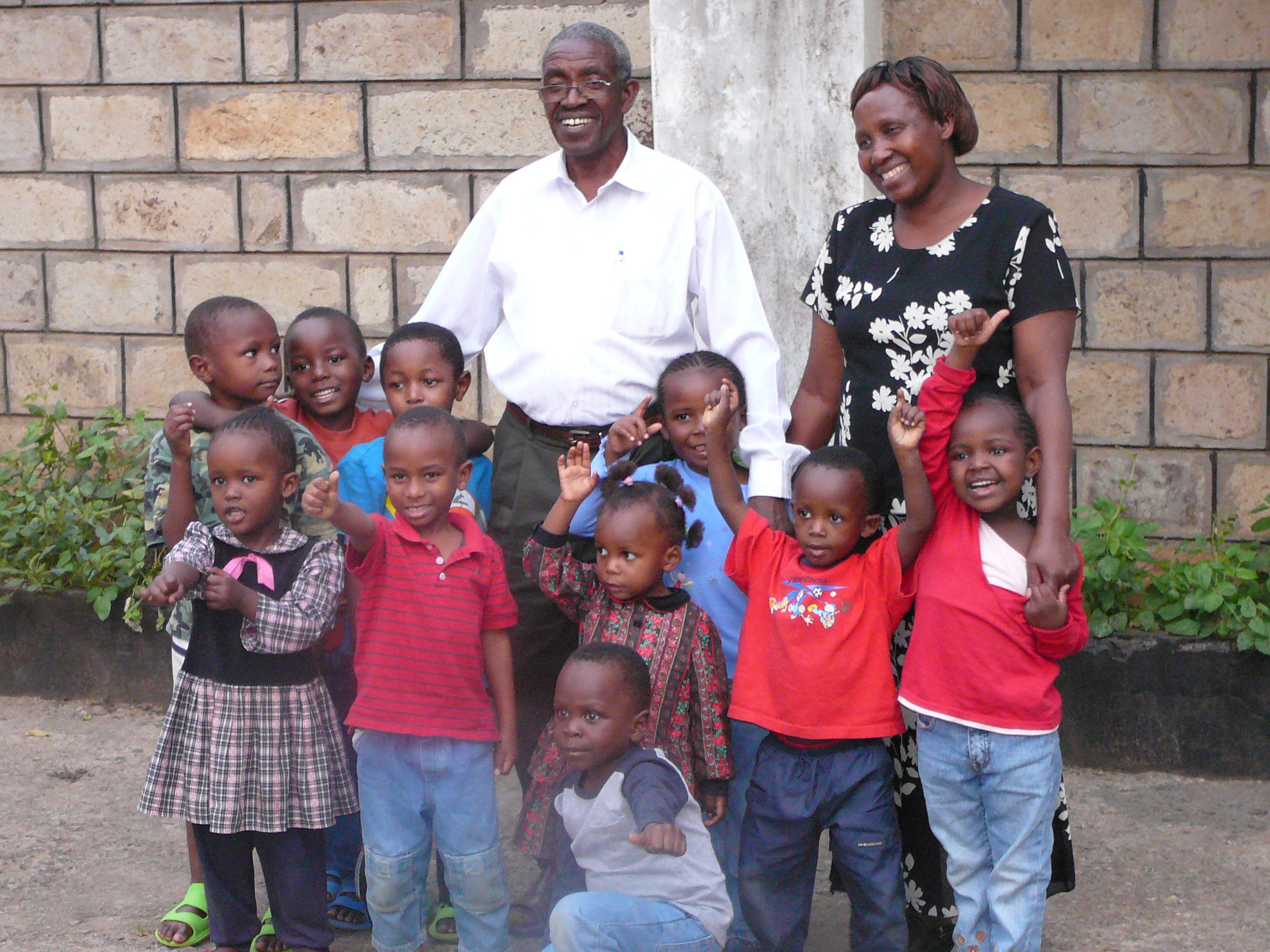
When the Karaus opened their home to orphaned and vulnerable children twenty years ago, the Sanctuary of Hope wasn’t a program with a mission statement and a theory of change. It was a family choosing to grow. Children who had lost parents, who had no one, became, in every sense that matters, their children. They were raised as siblings to the Karaus’ biological sons and daughters, shaped by the same rhythms of family life, held to the same expectations, shown the same love.
Over two decades, dozens of children have grown up in that home. They’ve gone to school. They’ve built careers. Soon they will start families of their own.
And some of them have come back.
The Fruit: Sanctuary of Hope Alumni Serving in Mathare Valley
Among the most remarkable things happening in Hope’s Promise’s Kenya programs right now is this: Sanctuary of Hope alumni, men and women who grew up in the Karau home, are now working as Kuza staff and volunteers in Mathare Valley.
Kuza is Hope’s Promise’s relative-based orphan care program, a model built on the conviction that children thrive best when they remain connected to family. When a child in Mathare Valley faces the loss of a parent or a family crisis, Kuza social workers walk alongside the aunts, grandmothers, older siblings, and neighbors who already love that child, helping them build the stability to provide consistent care.
Sanctuary of Hope alumni who are now doing this work aren’t just employees and volunteers of a program. They are living proof of what investing in a child’s life looks like twenty years later. They know, from the inside, what it means to be received by a family when you have nothing. And they are giving that same gift to others.
The Shift: From Sanctuary of Hope to Kuza
After twenty years, Hope’s Promise is celebrating the expansion of our ministry: the Kuza (Swahili for nurture) model. This isn’t a replacement of what the Sanctuary of Hope has been. It’s a deepening. The Karaus’ home planted seeds. The Kuza program is where those seeds are growing.
The model looks different: rather than bringing children into a single home, Kuza works at the community level, strengthening the family networks that already exist. But the conviction underneath is exactly the same as the one that moved Mama and Pastor Karau to open their door twenty years ago: every child deserves a family.
An Invitation to Join the Harvest
We are telling this story because you, Hope’s Promise supporters, made it possible.
The twenty years of Sanctuary of Hope, the children raised, the lives changed, the adults now walking into Mathare Valley to do for others what was done for them, none of it would exist without people who chose to give, to pray, and to believe in this work.
The Kuza program is the next chapter. It needs the same community of champions that built the last one.
If you’re new to Hope’s Promise, welcome. You’re entering a story that’s been building for two decades, and there is still so much ahead.
If you’ve been giving for years: thank you. Look at what your faithfulness made. And please, don’t stop now.
The tree that was planted is bearing fruit. Come be part of the harvest.
Ways to get involved:
- Give to Hope’s Promise and support the Kuza program in Kenya
- Visit the special edition Sanctuary of Hope webpage to learn more
- Watch stories from Sanctuary of Hope alumni now serving in Kuza
- Learn more about Hope’s Promise’s Kenya program